Exploring the realm of International Standards for Roofing and Exterior Projects, this introduction sets the stage for a detailed discussion that sheds light on the significance of adhering to these standards. From key organizations to specific standards and the benefits of compliance, this overview aims to inform and educate.
As we delve further, we will uncover the intricacies of roofing materials, delve into exterior project guidelines, and explore the realm of quality control and compliance in construction projects.
International Standards for Roofing and Exterior Projects
Adhering to international standards in roofing and exterior projects is crucial for ensuring safety, durability, and quality in construction. These standards provide guidelines and specifications that help in achieving uniformity, efficiency, and excellence in building practices.
Key Organizations Setting Standards
- The International Organization for Standardization (ISO)
- American Society for Testing and Materials (ASTM)
- National Roofing Contractors Association (NRCA)
Specific Standards for Roofing and Exterior Projects
- ISO 9001: Quality Management Systems
- ASTM D3462: Standard Specification for Asphalt Shingles Made from Glass Felt and Surfaced with Mineral Granules
- NRCA Roofing Manual: Guidelines for Roofing Installation
Benefits of Following International Standards
By adhering to international standards, construction projects can benefit from improved structural integrity, enhanced safety measures, increased efficiency in installation, and better overall quality of work. Compliance with these standards also helps in reducing risks, ensuring customer satisfaction, and meeting regulatory requirements.
Roofing Materials and Specifications
When it comes to roofing projects, choosing the right materials is crucial to ensure durability, cost-effectiveness, and sustainability. International standards provide guidelines for selecting the appropriate roofing material based on specific project requirements.
Common Roofing Materials
Roofing materials vary in terms of composition, durability, cost, and environmental impact. Here are some common roofing materials used in accordance with international standards:
| Roofing Material | Durability | Cost | Sustainability |
|---|---|---|---|
| Asphalt Shingles | Moderate | Low to Moderate | Low |
| Metal Roofing | High | Moderate to High | High |
| Clay Tiles | High | High | Moderate |
| Slate Roofing | Very High | High | High |
| Wood Shakes | Moderate | Low to Moderate | Low to Moderate |
Considerations for Selecting Roofing Materials
When selecting the appropriate roofing material for a project, several factors need to be considered:
- Climate and weather conditions
- Building structure and design
- Budget and cost constraints
- Maintenance requirements
- Energy efficiency
Exterior Project Guidelines

When it comes to exterior projects, international standards have set specific guidelines to ensure quality, safety, and durability. Adhering to these guidelines is crucial for the success of any exterior project.
Proper Installation Techniques
Proper installation techniques play a vital role in the longevity and performance of exterior projects. Following the manufacturer’s instructions and industry best practices is essential to avoid issues such as leaks, structural damage, or premature deterioration.
Best Practices for Exterior Project Design and Execution
- Thorough planning and design phase to consider factors like climate, building codes, and environmental impact.
- Using high-quality materials that are suitable for the specific project requirements.
- Hiring experienced and certified contractors to ensure proper installation and craftsmanship.
- Regular maintenance and inspections to detect any issues early on and prevent costly repairs.
Common Issues from Not Following International Standards
- Water infiltration due to improper sealing or flashing techniques.
- Structural damage from inadequate support or incorrect material selection.
- Poor energy efficiency resulting from subpar insulation or air leakage.
- Aesthetic flaws caused by improper installation or design choices.
Quality Control and Compliance
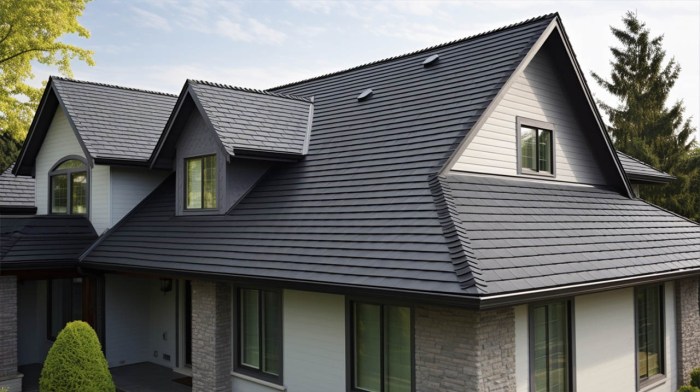
Quality control plays a crucial role in ensuring compliance with international standards for roofing and exterior projects. By implementing strict quality control measures, construction companies can guarantee that the materials used and the work done meet the required standards set forth by international regulations.
Procedures for Quality Control Checks
- Regular inspections during different stages of the project to ensure compliance with specifications.
- Testing of roofing materials to verify quality and durability.
- Documentation of all quality control checks and results for future reference.
- Training of staff members on quality control procedures to maintain consistency.
Examples of Quality Control Measures
- Random sampling of roofing materials to check for compliance with standards.
- Calibration of equipment used in the construction process to ensure accuracy.
- Third-party inspections to provide an unbiased assessment of the work done.
- Regular maintenance of tools and machinery to prevent errors in the construction process.
Consequences of Non-Compliance
- Legal repercussions and fines for failing to meet international standards.
- Damage to reputation and loss of business opportunities due to subpar work.
- Risk of accidents and safety hazards resulting from poor quality construction.
- Increased costs for rework or repairs to bring the project up to standard.
Conclusion
In conclusion, the journey through International Standards for Roofing and Exterior Projects has unveiled the critical aspects of adherence to these guidelines. From quality control to material specifications, the importance of following these standards cannot be overstated in ensuring durable and sustainable construction projects.
FAQ Summary
What are the consequences of not following international standards for roofing and exterior projects?
Non-compliance can lead to structural issues, safety hazards, legal repercussions, and overall compromised quality of the construction project.
How do quality control measures ensure compliance with international standards?
Quality control checks help in verifying that materials, processes, and workmanship meet the specified standards, ensuring the project meets quality benchmarks.
Which organizations are prominent in setting international standards for roofing and exterior projects?
Organizations like ASTM International, ISO, and ANSI play key roles in establishing and maintaining these standards.
What are the common roofing materials used in accordance with international standards?
Materials such as asphalt shingles, metal roofing, clay tiles, and slate are commonly used and specified in compliance with international standards.