Delving into the realm of accurately estimating roof repair costs, readers are invited to explore a world where knowledge meets practicality, ensuring an informative and engaging journey ahead.
The subsequent paragraph will provide a detailed overview of the topic at hand.
Understanding Roof Repair Costs
When it comes to estimating roof repair costs accurately, it’s essential to consider various factors that can influence the overall expenses. Understanding these factors can help you budget effectively and plan for any necessary repairs in advance.
Factors Influencing Roof Repair Costs
- The extent of the damage: The severity of the damage to your roof will play a significant role in determining the cost of repairs. Minor repairs such as fixing a few shingles will be more affordable compared to major repairs like replacing the entire roof.
- Type of roofing material: Different types of roofing materials have varying costs. For example, asphalt shingles are generally more affordable to repair compared to slate or metal roofs.
- Roof accessibility: The ease of access to your roof can also impact repair costs. If your roof is difficult to reach or requires special equipment for repairs, the overall expenses may increase.
Common Types of Roof Repairs and Cost Ranges
- Replacing missing or damaged shingles: This is a common repair that can cost anywhere from $100 to $300 per square foot.
- Repairing leaks: Fixing leaks can range from $200 to $500 depending on the extent of the damage and the location of the leak.
- Flashing repairs: Repairing or replacing flashing around chimneys or vents can cost between $200 to $500.
Impact of Roof Size and Pitch on Repair Expenses
- Roof size: Larger roofs will naturally require more materials and labor, leading to higher repair costs. The square footage of your roof will directly impact the overall expenses.
- Roof pitch: Steeper roofs are more challenging to work on and may require additional safety measures for repairs. This can increase the cost of repairs compared to roofs with a lower pitch.
Estimating Material Costs
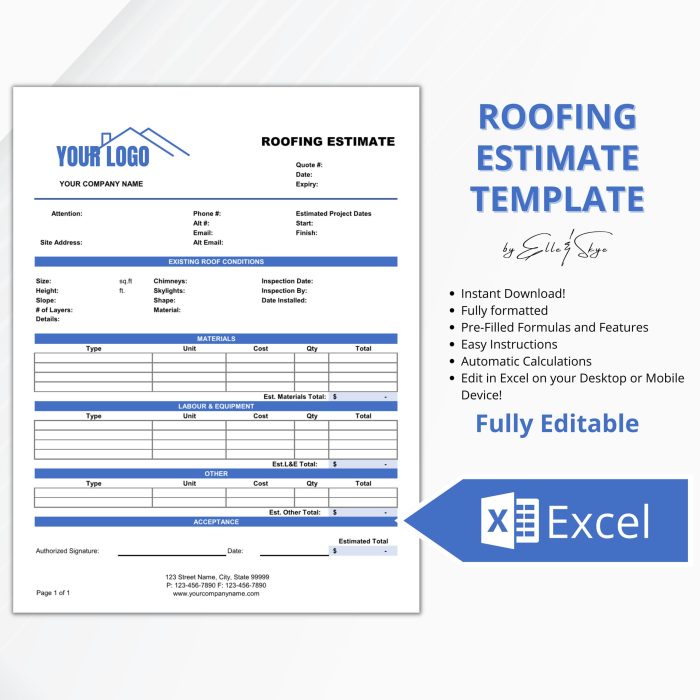
To accurately estimate roof repair costs, it is essential to consider the materials needed for the job. The type and quality of materials can significantly impact the overall cost of the repair. Let’s break down the typical materials required for roof repairs and how they can affect the total expenses.
Types of Materials
- Shingles: One of the most common materials used for roof repairs, shingles come in various types such as asphalt, wood, metal, or slate. The cost of shingles can vary depending on the material and quality.
- Underlayment: This material is installed directly on the deck before shingles to provide an extra layer of protection. Common types include felt paper or synthetic underlayment.
- Flashing: Essential for preventing water seepage, flashing is typically made of metal and is installed around roof openings such as chimneys, vents, and skylights.
- Sealant: Used to seal gaps, cracks, and joints on the roof, sealant helps prevent leaks and water damage.
Breakdown of Material Costs
- Shingles: Depending on the type and quality, shingles can cost anywhere from $100 to $200 per square (100 square feet).
- Underlayment: The cost of underlayment can range from $30 to $50 per roll, with each roll covering a specific area.
- Flashing: Metal flashing typically costs around $10 to $20 per linear foot, varying based on the material and thickness.
- Sealant: Prices for sealant tubes can range from $5 to $20 each, depending on the brand and quality.
Impact of Material Quality on Costs
- High-Quality Materials: Opting for premium materials may result in higher upfront costs but can lead to better durability and longevity, reducing the need for frequent repairs in the long run.
- Low-Quality Materials: Choosing lower-quality materials to save money initially may result in more frequent repairs and replacements, ultimately costing more over time.
Labor Costs Calculation
When it comes to estimating roof repair costs, labor is a significant factor that needs to be taken into consideration. Labor costs are usually calculated based on the type of roofing project, the complexity of the repair, and the skills required to complete the job.It is crucial to hire skilled professionals for accurate estimates of labor costs.
Skilled roofers will be able to assess the extent of the damage, determine the materials needed, and provide a detailed breakdown of the labor costs involved. Hiring inexperienced or unqualified workers may lead to inaccurate estimates and potentially costly mistakes during the repair process.
Comparison of Labor Costs for Different Types of Roofing Projects
- For simple roof repairs such as fixing minor leaks or replacing a few shingles, labor costs are usually lower as the work is less labor-intensive and can be completed quickly.
- On the other hand, more complex projects like repairing structural damage or installing a new roof require more time, effort, and expertise, resulting in higher labor costs.
- Specialized roofing materials or techniques, such as installing solar panels or green roofs, may also impact labor costs as they require specific skills and knowledge.
Hidden Costs and Unforeseen Expenses
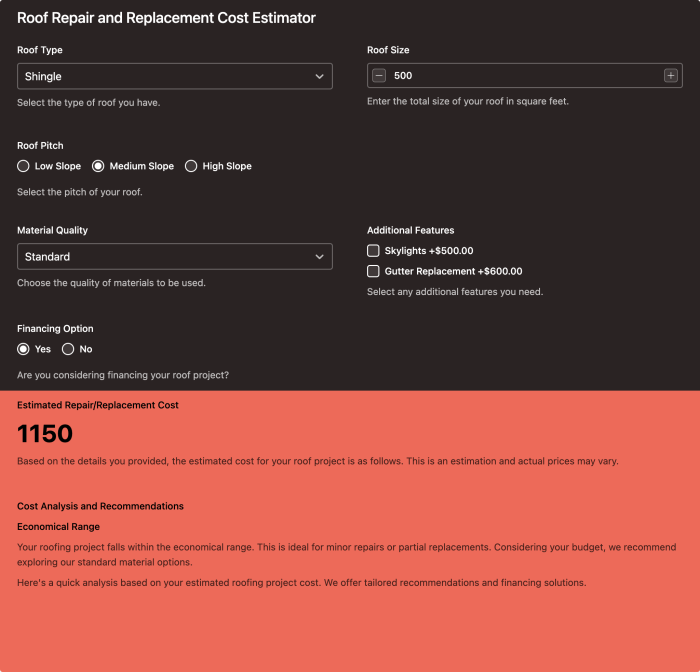
When estimating roof repair costs, it’s crucial to consider potential hidden costs and unforeseen expenses that may arise during the project. Failure to account for these factors can lead to budget overruns and delays in completing the repairs.
Identifying Potential Hidden Costs
- Structural Damage: Once the roof is opened up, hidden structural damage may be uncovered, such as rotten wood or deteriorated supports.
- Water Damage: Leaks can often lead to water damage in the roof structure or even in the interior of the building.
- Mold or Mildew: Moisture from leaks can create the perfect environment for mold or mildew growth, which may require additional remediation.
Accounting for Unexpected Expenses
- Contingency Fund: Set aside a contingency fund of around 10-15% of the total estimated cost to cover any unforeseen expenses that may arise.
- Thorough Inspection: Conduct a detailed inspection of the roof before starting repairs to identify any potential issues that may add to the cost.
- Consultation with Professionals: Seek advice from experienced roofing contractors or inspectors to get a more accurate estimate of potential hidden costs.
Tips for Budgeting for Unforeseen Circumstances
- Research and Planning: Take the time to research and plan the project thoroughly to minimize the chances of unexpected expenses.
- Quality Materials: Invest in high-quality materials to reduce the risk of premature damage and the need for future repairs.
- Regular Maintenance: Schedule regular roof inspections and maintenance to catch and address issues early, preventing costly repairs in the future.
Final Review
In conclusion, this discussion encapsulates the key points surrounding the accurate estimation of roof repair costs, leaving readers with a comprehensive understanding of the intricacies involved.
FAQ Resource
What factors influence roof repair costs?
Factors like material quality, repair type, and roof size can impact costs.
How are labor costs calculated for roof repairs?
Labor costs are usually calculated based on hourly rates or project estimates.
How can one account for hidden costs during roof repairs?
It’s important to include a buffer in the budget to accommodate unexpected expenses.