As Window Replacement vs Repair: What’s More Cost-Effective? takes center stage, this opening passage beckons readers with a crafted world of good knowledge, ensuring a reading experience that is absorbing and distinctly original.
In the following paragraph, detailed and clear information about the topic is provided.
Window Replacement vs Repair: What’s More Cost-Effective?
When it comes to maintaining the windows in your home or office, you may be faced with the decision of whether to repair or replace them. Both options come with their own set of costs and benefits, so it’s essential to understand the key differences between window replacement and repair to make an informed decision.Window replacement involves completely removing the existing window and installing a brand new one in its place.
On the other hand, window repair focuses on fixing specific issues with the existing window, such as broken seals, damaged frames, or dysfunctional hardware.Factors that influence the cost-effectiveness of each option include the extent of damage, the age of the windows, energy efficiency, and the overall condition of the window frames.
In general, window replacement tends to be more expensive upfront but can provide long-term cost savings through improved energy efficiency and reduced maintenance costs.In scenarios where the windows are old, inefficient, or severely damaged, window replacement is often the better choice.
New windows can enhance the aesthetic appeal of your property, increase energy efficiency, and add value to your home or building.However, in cases where the damage is minor or limited to a specific component of the window, repair may be the more cost-effective solution.
Repairing windows can be a quicker and more budget-friendly option, especially if the overall condition of the windows is still good.
Examples of Scenarios where Window Replacement is a Better Choice
- Old windows that are no longer energy-efficient
- Extensively damaged windows beyond repair
- Upgrading to more modern and stylish window designs
Situations where Window Repair Might be the More Cost-Effective Solution
- Minor damage like broken hardware or seals
- Specific components of the window need repair rather than full replacement
- Windows are relatively new and in good overall condition
Factors Influencing Window Replacement Costs
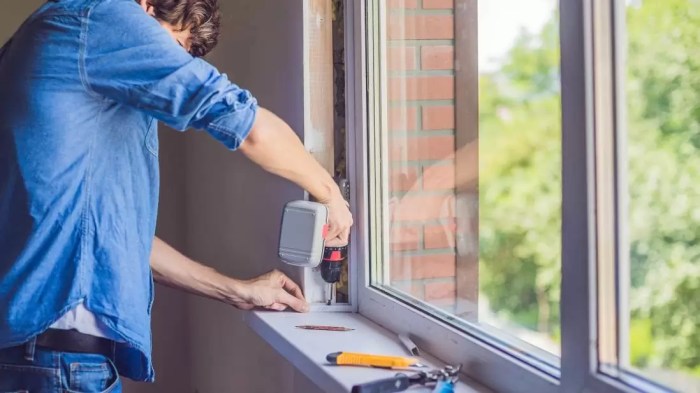
When considering window replacement, various factors come into play that can significantly impact the overall cost of the project. Understanding these factors is essential in making an informed decision about whether repair or replacement is the more cost-effective option.
Type of Window Material
The type of material used for the windows plays a crucial role in determining the cost of replacement. For example, vinyl windows are generally more affordable compared to wood or fiberglass windows. Additionally, the quality and durability of the material can also affect the overall cost, with higher-quality materials typically commanding a higher price tag.
Size and Number of Windows
The size and number of windows being replaced directly influence the total cost of the project. Larger windows or a greater quantity of windows will naturally require more materials and labor, resulting in higher expenses. It’s important to consider the size and quantity of windows when budgeting for a replacement project.
Additional Costs
In addition to the basic cost of materials and labor, there are several additional expenses that may be involved in a window replacement project. These can include costs for removing and disposing of old windows, any necessary repairs to the window frame or surrounding areas, as well as permits and fees required by local regulations.
It’s essential to factor in these extra costs to get a more accurate estimate of the total expenses involved in window replacement.
Factors Influencing Window Repair Costs
When it comes to repairing windows, several factors come into play that can influence the overall cost of the repair. Understanding these factors can help homeowners make informed decisions when facing window issues.
Extent of Damage
The extent of damage to a window is a significant factor in determining repair costs. Minor damages such as small cracks or chipped glass may be less costly to repair compared to major damages like a completely shattered window or frame.
The more extensive the damage, the higher the repair costs are likely to be.
- Minor cracks or chips in the glass can often be repaired inexpensively through simple patching or sealing techniques.
- Severe damage that requires replacing the entire window or frame can significantly increase repair costs.
Type of Damage
The type of damage to a window also plays a crucial role in determining repair expenses. Different types of damage, such as cracks, seal failure, or hardware issues, require specific repair techniques and materials, which can impact the overall cost of the repair.
- Seal failure leading to foggy or condensation between panes may necessitate replacing the entire insulated glass unit (IGU), which can be more costly.
- Cracked glass may require either patching or complete glass replacement, with the latter option being more expensive.
Additional Costs
During window repairs, homeowners may encounter additional costs beyond the actual repair work. These additional costs can arise from factors such as the need for special tools or equipment, disposal of old materials, or unexpected issues discovered during the repair process.
- Specialized tools or equipment required for certain repair techniques can add to the overall cost of the repair.
- Disposal fees for old materials or debris generated during the repair process can contribute to the total repair expenses.
- Unexpected issues like hidden structural damage that are uncovered during the repair may require additional repairs and increase costs.
Long-Term Cost Considerations
When it comes to deciding between window replacement and repair, considering the long-term cost implications is crucial. Let’s explore how these two options stack up in terms of cost-effectiveness over time.
Upfront Costs vs. Ongoing Maintenance
Window replacement typically involves higher upfront costs compared to repairs. However, it is essential to consider ongoing maintenance expenses associated with older windows. Repairing windows frequently can add up over time, making replacement a more cost-effective choice in the long run.
Energy Efficiency Impact
Energy efficiency is a significant factor in determining long-term cost-effectiveness. Newer windows are often more energy-efficient, leading to reduced heating and cooling costs. While the initial investment might be higher for replacement windows, the energy savings can make up for the difference in the long term.
Potential Savings Over Time
When looking at the long-term financial impact, replacement windows can offer potential savings through improved energy efficiency, reduced maintenance costs, and increased property value. While repair may seem like a more budget-friendly option upfront, the savings from replacement windows over time can outweigh the initial investment.
Closing Notes
Concluding with a summary and final thoughts in an engaging manner.
Q&A
What are the key differences between window replacement and repair?
Window replacement involves installing new windows while repair focuses on fixing existing ones.
What factors influence the cost-effectiveness of each option?
Factors like material type, extent of damage, and energy efficiency play a role.
In what scenarios is window replacement a better choice?
When the windows are old, damaged beyond repair, or not energy-efficient.
When might window repair be the more cost-effective solution?
If the damage is minor, the windows are relatively new, or if energy efficiency upgrades are the main concern.